Texto exemplo 2
Texto exemplo
30 de nov. de 2025
Texto exemplo
Author:
Jane Lee
Texto exemplo
Texto exemplo
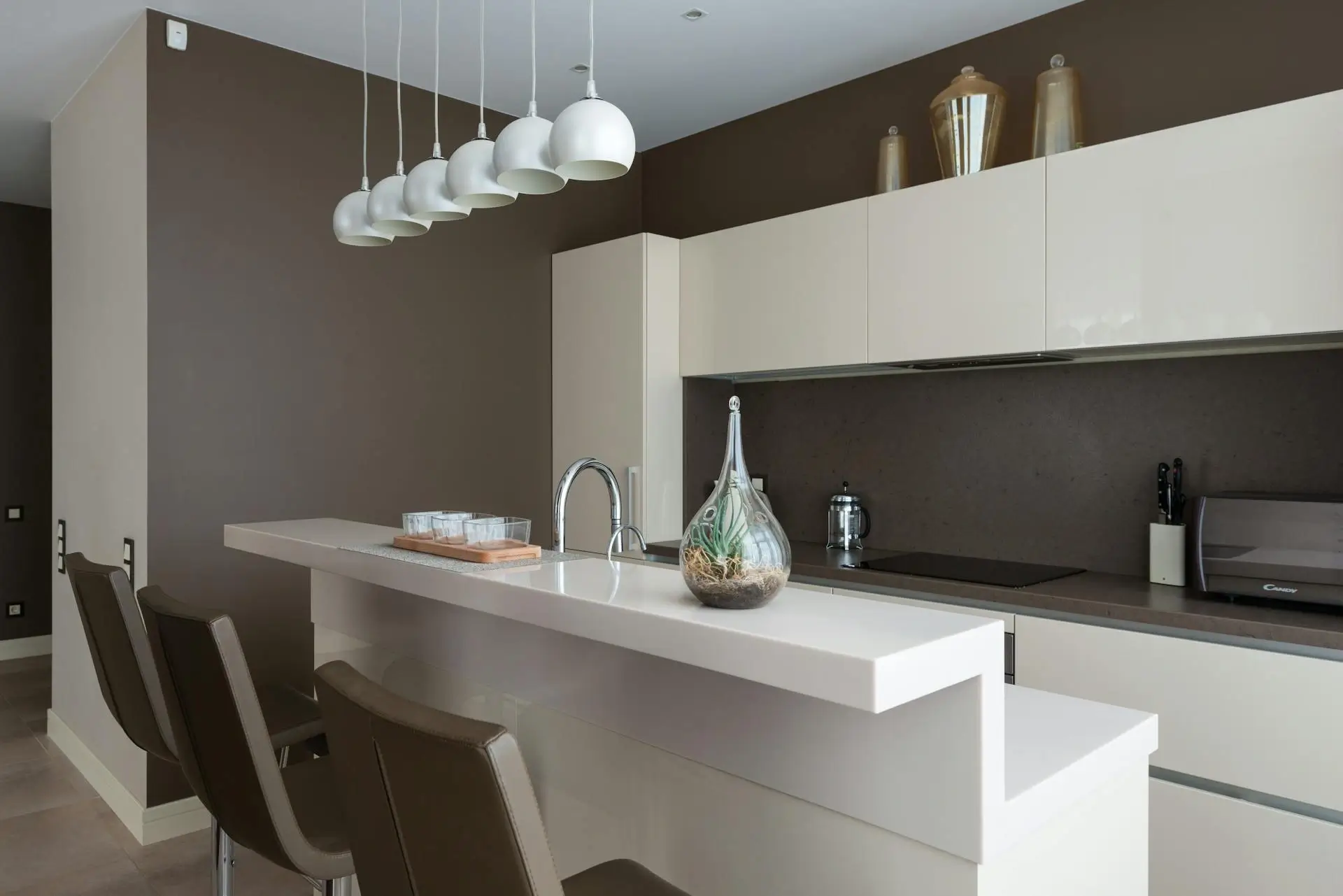
Designing Spaces That Age Gracefully
Interior design is often judged by immediate impact, but the true measure of a successful space reveals itself years later. Spaces that age gracefully continue to feel comfortable, relevant, and functional long after trends have shifted.
Why Longevity Matters in Interior Design
Designing for longevity reduces waste, lowers renovation costs, and creates stronger emotional connections to a space. When interiors are built with durability and adaptability in mind, they support real life rather than working against it.
Key benefits of longevity-focused design:
Reduced need for frequent renovations
Greater material and environmental responsibility
Increased comfort and familiarity over time
Material Integrity Over Visual Novelty
Materials play a critical role in how a space matures. Natural materials such as wood, stone, and metal develop character rather than deterioration when properly selected and detailed.
Consider:
Finishes that patinate rather than degrade
Textures that hide wear instead of highlighting it
Neutral foundations with subtle variation
Flexible Layouts Support Changing Lifestyles
Rigid layouts quickly become obsolete. Thoughtful spatial planning allows rooms to adapt as needs shift—from work-from-home setups to growing families or downsizing lifestyles.
Strategies include:
Multi-purpose rooms
Minimal fixed partitions
Furniture-driven zoning rather than structural changes
Timeless Design Is Intentional, Not Minimal
Timeless interiors are often misunderstood as minimalist. In reality, they are intentional—every element serves a purpose, visually and functionally.
When a space is designed with clarity, it remains legible and comfortable even as personal styles evolve.
Designing Spaces That Age Gracefully
Interior design is often judged by immediate impact, but the true measure of a successful space reveals itself years later. Spaces that age gracefully continue to feel comfortable, relevant, and functional long after trends have shifted.
Why Longevity Matters in Interior Design
Designing for longevity reduces waste, lowers renovation costs, and creates stronger emotional connections to a space. When interiors are built with durability and adaptability in mind, they support real life rather than working against it.
Key benefits of longevity-focused design:
Reduced need for frequent renovations
Greater material and environmental responsibility
Increased comfort and familiarity over time
Material Integrity Over Visual Novelty
Materials play a critical role in how a space matures. Natural materials such as wood, stone, and metal develop character rather than deterioration when properly selected and detailed.
Consider:
Finishes that patinate rather than degrade
Textures that hide wear instead of highlighting it
Neutral foundations with subtle variation
Flexible Layouts Support Changing Lifestyles
Rigid layouts quickly become obsolete. Thoughtful spatial planning allows rooms to adapt as needs shift—from work-from-home setups to growing families or downsizing lifestyles.
Strategies include:
Multi-purpose rooms
Minimal fixed partitions
Furniture-driven zoning rather than structural changes
Timeless Design Is Intentional, Not Minimal
Timeless interiors are often misunderstood as minimalist. In reality, they are intentional—every element serves a purpose, visually and functionally.
When a space is designed with clarity, it remains legible and comfortable even as personal styles evolve.